A Layout Designed to Guide Customer Movement
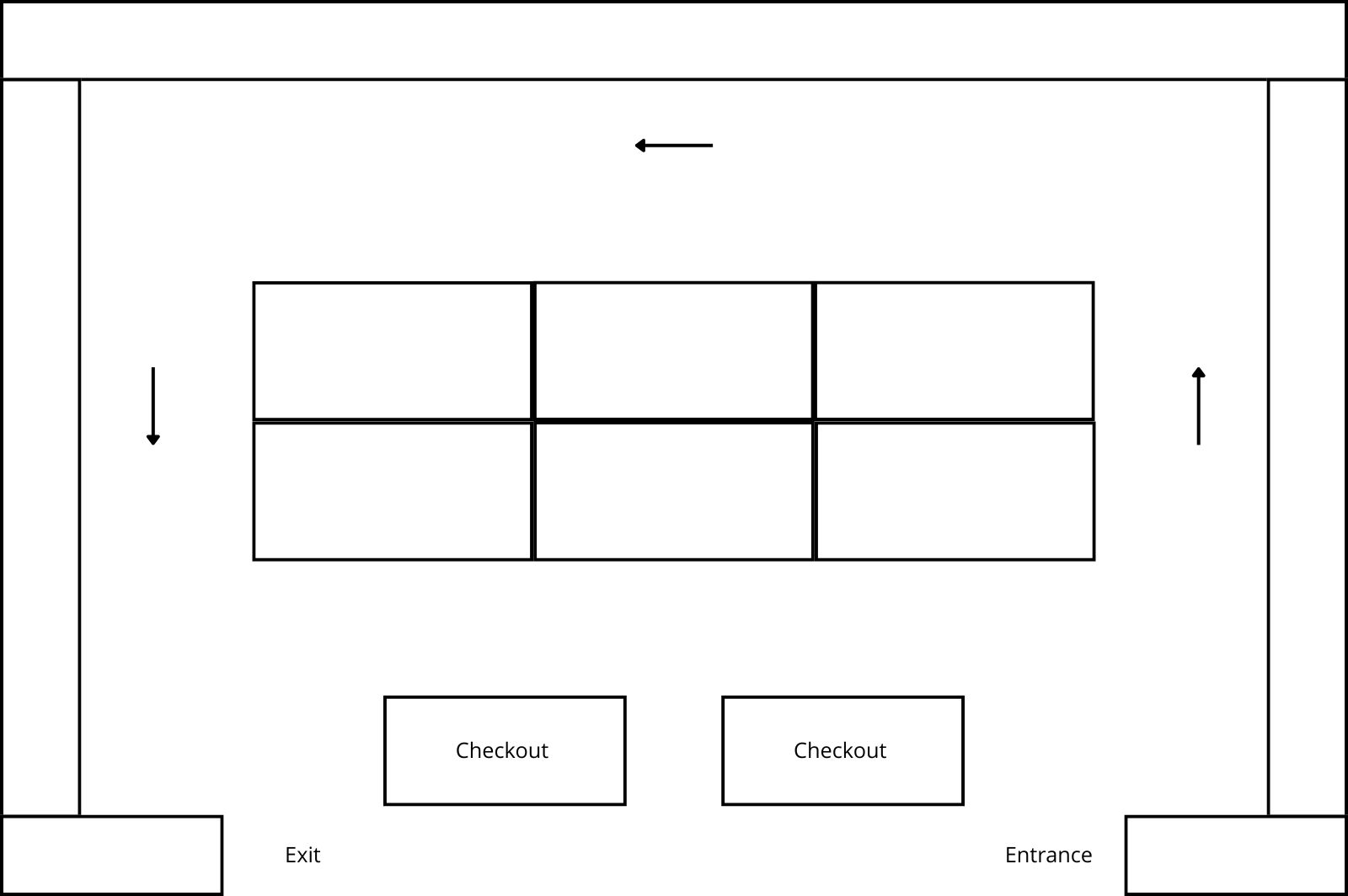
A loop or racetrack retail layout is designed to guide customers through the store along a clear path. Instead of using straight rows like a grid layout, this style creates a main walkway that leads shoppers around the space and past different product areas before they reach the checkout. It is a layout often used in larger retail stores where the goal is to encourage customers to see more of the range rather than head straight in and out.
How a Loop / Racetrack Layout Works
A loop or racetrack layout works by creating a defined customer journey through the store. The main path usually runs in a circular or semi-circular direction, with displays, shelving, or feature areas positioned around it to guide customers from zone to zone while still allowing room for browsing. The reason retailers use this type of layout is to increase product exposure. When shoppers are naturally led through more of the store, they are more likely to notice additional categories, promotions, and featured displays along the way. For stores that want to create a more considered shopping journey, a loop layout can make the space feel more engaging than a simple aisle-based setup.
The Limitations to Consider
Like any layout, the loop or racetrack style is not right for every store. If the path feels too rigid or forced, some customers can become frustrated, especially if they are only coming in for one item. It also needs to be planned carefully so the store still feels easy to navigate and does not create bottlenecks. If the space is too small or the layout is overworked, it can end up feeling awkward rather than smooth.
What Types of Stores Suit a Loop Layout?
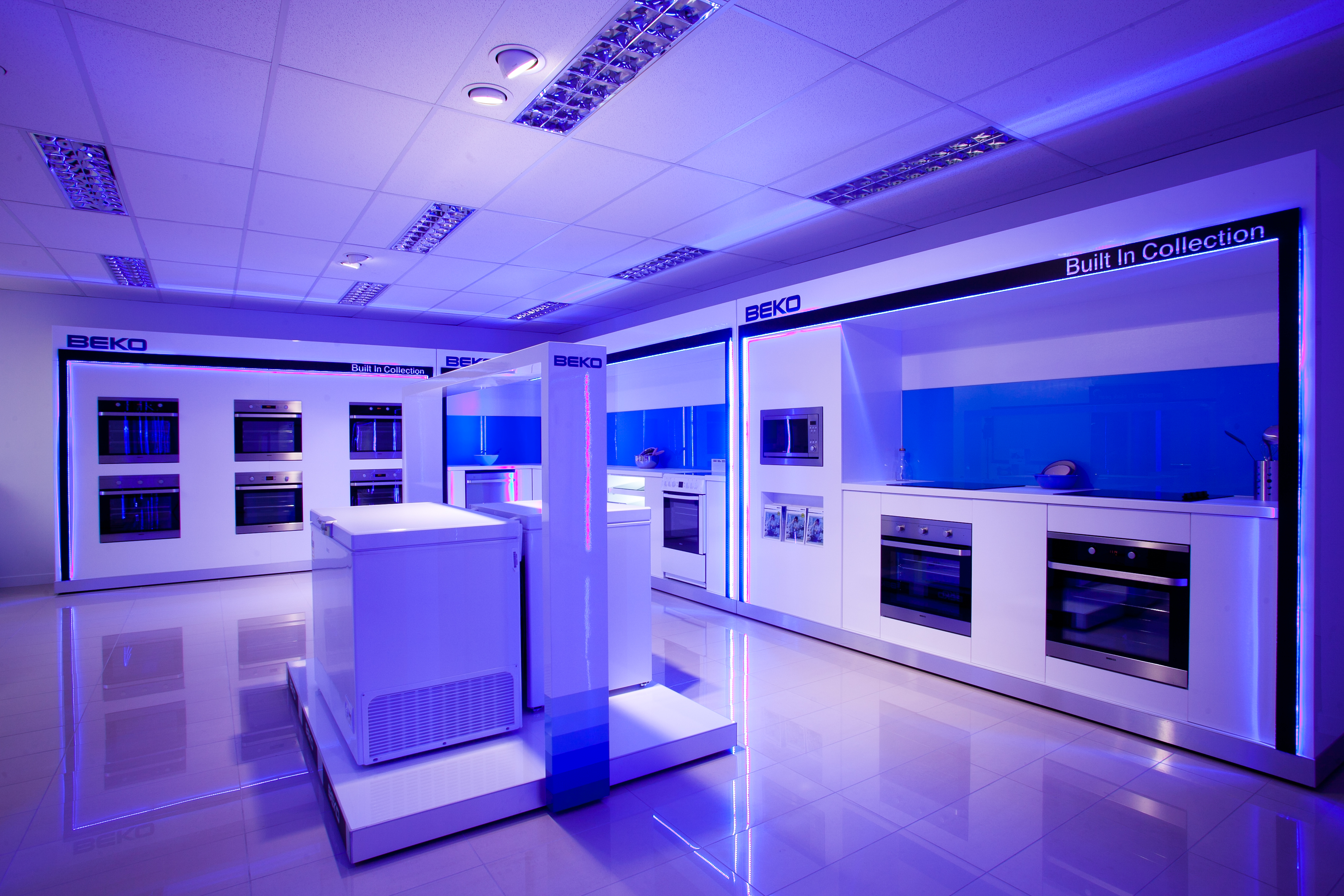
A loop layout usually suits larger retail stores, showrooms, and stores where browsing is an important part of the experience. It can work well in homewares, lifestyle retail, and other spaces where the business wants customers to explore more of the store. It is generally less suited to smaller stores or fast in-and-out environments where speed and direct access matter more.
Making a Loop Layout Work Well
To get the most out of a loop layout, the path through the store needs to feel natural and easy to follow. Feature displays should be positioned in a way that draws attention without blocking movement, and the layout should still give customers enough freedom to browse without feeling boxed in. Good signage, clear zoning, strong sightlines, and a well-planned fitout all help make the loop feel intentional rather than restrictive. The layout also needs to suit the way the business trades, not just look good on paper.
Designed to Guide Customers
A loop or racetrack retail layout is designed to guide customers through the store in a clear and structured way. It can be a smart option for retailers who want to encourage browsing, increase exposure to more products, and create a stronger journey through the space. For the right type of business, it can help turn the layout itself into part of the shopping experience. At RJR Shopfitting, we help create retail spaces that are not only well presented, but practical, customer-friendly, and built to work in the real world.