A Practical Layout for Product-Heavy Stores
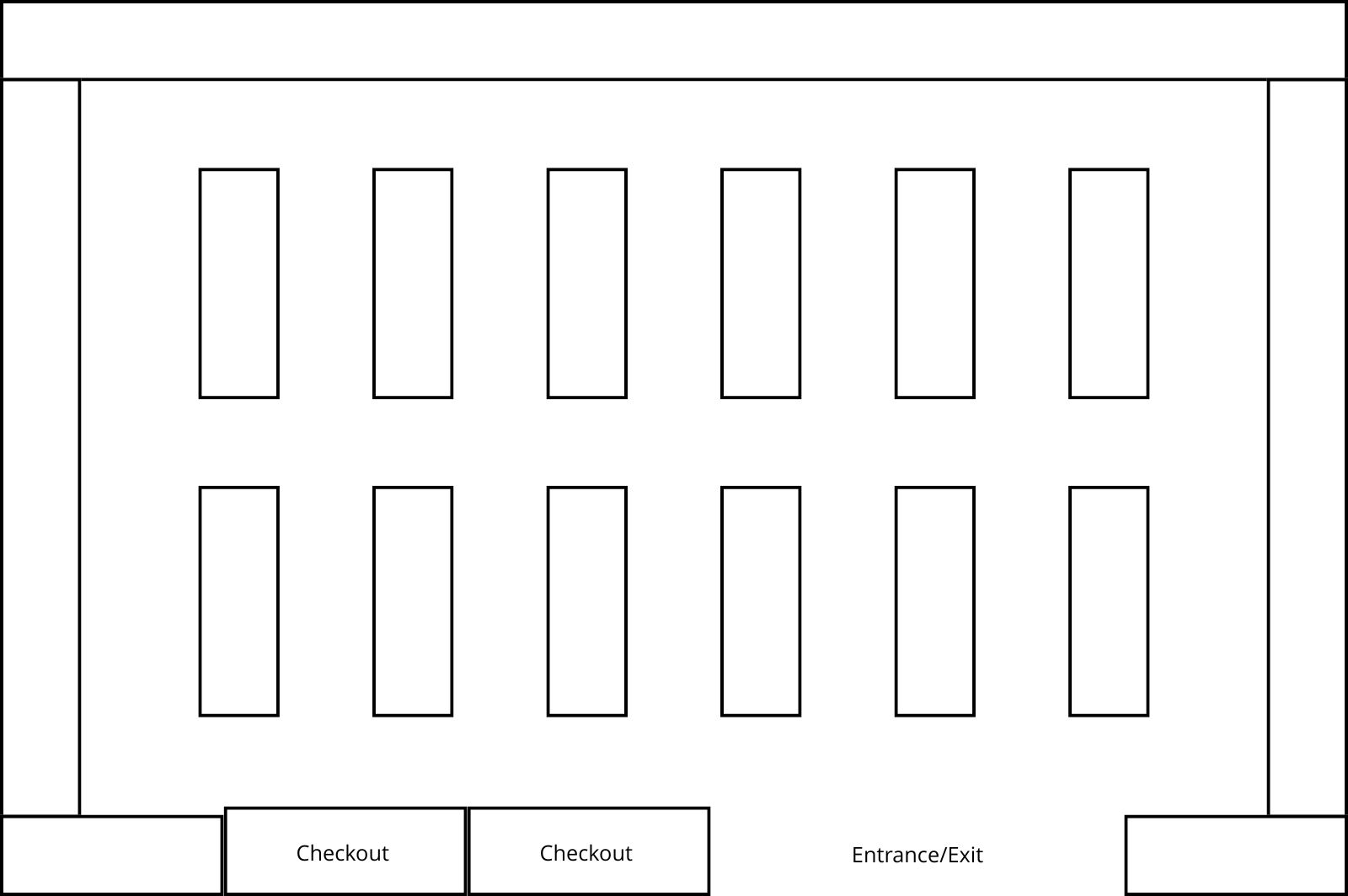
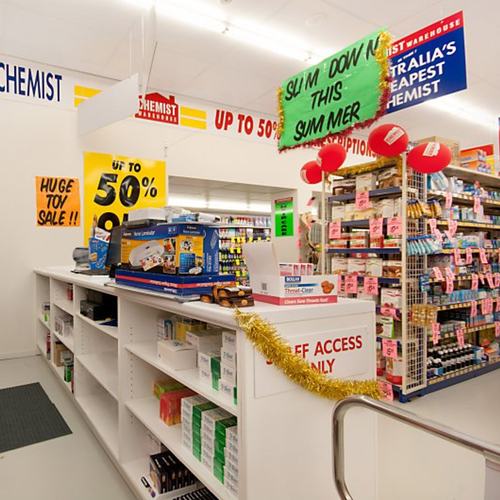
The retail grid layout is one of the most common store layouts used in retail. It is built around straight rows of shelving or fixtures arranged in a structured pattern, making it easy to display a large range of products and help customers shop with purpose. You will usually see grid layouts in stores like pharmacies, convenience stores, hardware stores, and other retail spaces where practicality and product capacity matter. At RJR Shopfitting, we see the grid layout as a strong option for stores that need to make efficient use of space without overcomplicating the customer journey.
How a Grid Layout Works
A grid layout works by using parallel aisles to organise products in a clear and consistent way. Customers can move up and down the aisles, find what they need, and work through the store in a fairly straightforward way. It is a layout that suits stores with a broad product range, especially where customers often come in looking for something specific rather than browsing for long periods.
Why Retailers Use Grid Layouts
The main reason retailers use a grid layout is simple. It works. A grid layout helps make the most of the available floor space, gives stores room to display more stock, and creates a shopping experience that feels familiar to most customers. It is also practical from an operational point of view, as it makes shelving, stock organisation, and replenishment easier to manage. For businesses carrying a lot of product lines, that efficiency can be a major advantage.
The Limitations to Consider
Like any store layout, the grid layout is not right for every business. Because it is so structured, it can sometimes feel plain or repetitive if it is not balanced with the right signage, displays, lighting, and overall fitout presentation. It can also be less suited to stores that rely heavily on brand experience, slower browsing, or a more premium and open feel. That does not mean a grid layout has to feel dull. It just means the fitout and presentation need to work harder to give the space some character and make it feel easy and pleasant to shop.
What Types of Stores Suit a Grid Layout?
A retail grid layout usually suits pharmacies, convenience stores, hardware stores, grocery-style retail, discount retail, and speciality stores with a wide product range. In most cases, it works best where customers want clarity, efficiency, and easy access to products.
Making a Grid Layout Work Well
To get the most out of a grid layout, the store still needs clear signage, logical product zoning, comfortable aisle widths, strong end displays, good lighting, and a fitout that feels clean, organised, and on-brand. That is where the shopfitting side really matters. Even a practical layout like a grid still needs to feel considered. It has to work for the customer, the staff, and the way the business trades day to day.
A Practical Store Layout
The retail grid layout is a practical store layout that uses straight aisles and structured shelving to maximise space and make shopping easier. It is one of the most effective options for stores with a large product range and customers who want a straightforward shopping experience. For the right business, it can be a very smart layout choice. At RJR Shopfitting, we can help businesses create retail spaces that are not just functional on paper, but practical, well-presented, and built to work in the real world.