A Layout Designed for Flexible Browsing
A free flow retail layout is designed to give customers more freedom to move through the store in their own way. Rather than guiding shoppers down structured aisles or along a set path, this layout creates a more open environment where people can browse naturally. It is often used in stores that want the shopping experience to feel more relaxed, more visual, and less rigid.
How a Free Flow Layout Works
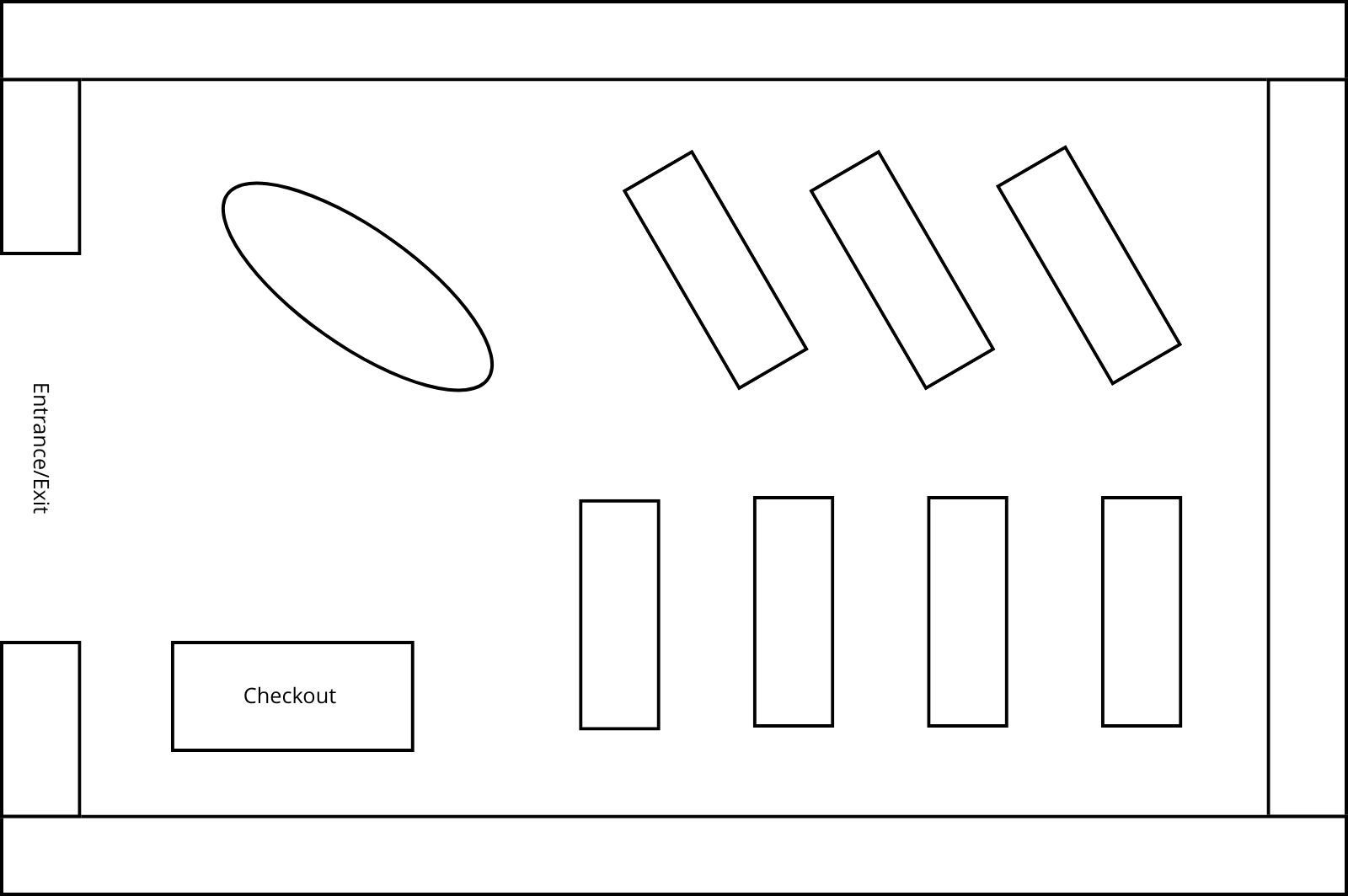
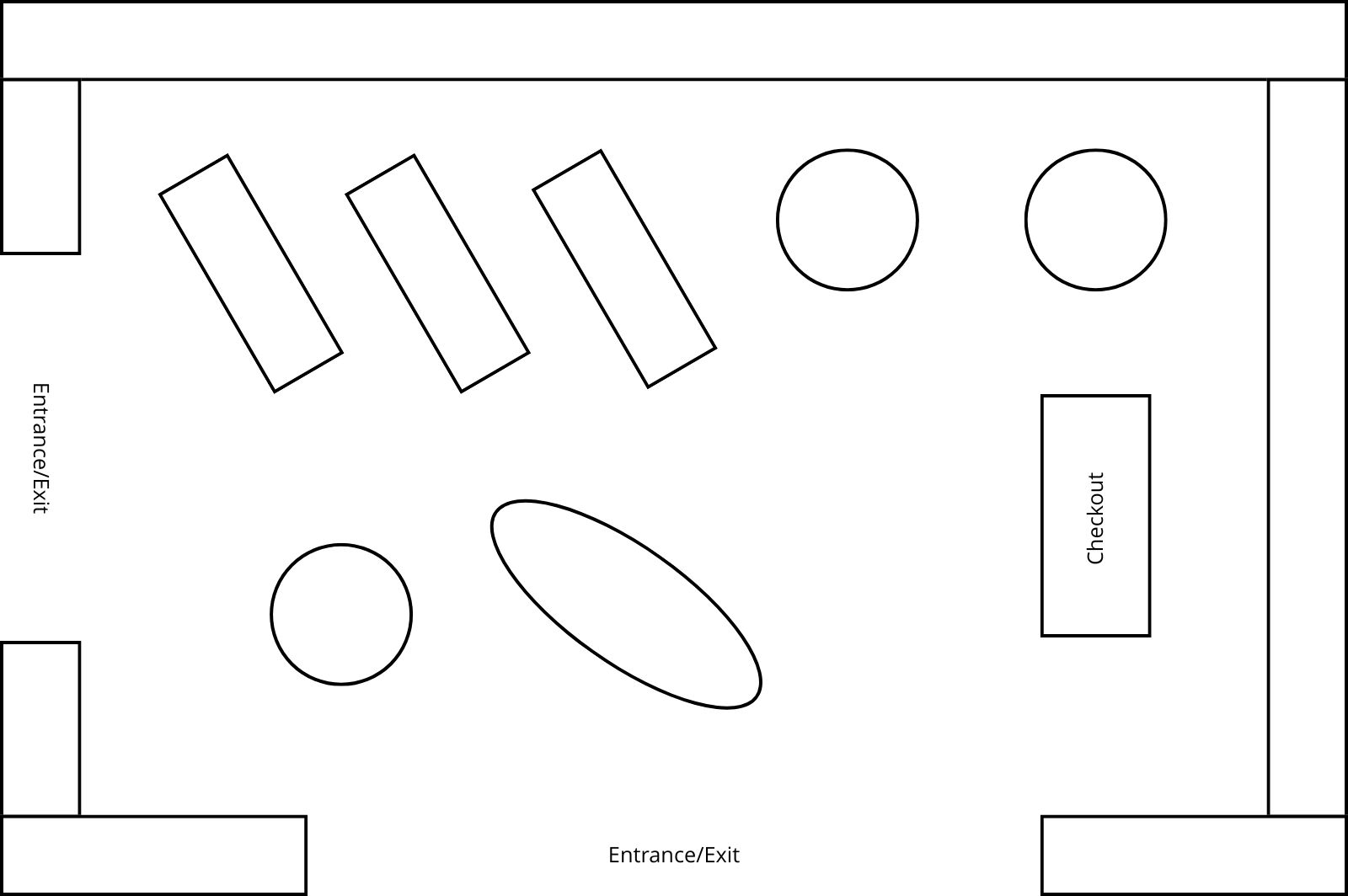
A free flow layout works by arranging fixtures, displays, and product zones in a way that encourages browsing without forcing customers in a particular direction. The store may still have focal points and logical areas, but the overall layout feels more open and less controlled than a grid, loop, or forced path setup. This gives retailers more flexibility in how they present products and how they shape the feel of the space.
Why Retailers Use Free Flow Layouts
The main reason retailers use a free flow layout is to create a more comfortable and engaging shopping experience. It allows customers to slow down, explore, and interact with products in a way that feels natural rather than directed. A free flow layout can also help a store feel more premium, more design-led, and more in line with brands that want the environment to be part of the experience. From a practical point of view, it creates a more open feel, gives retailers flexibility with display placement, and can make the space feel more inviting and less transactional. It also works well for product storytelling, feature displays, and brands that want customers to browse rather than simply shop with speed. For the right type of store, it can help create a stronger atmosphere and a more memorable in-store experience.
The Limitations to Consider
Like any layout, a free flow design is not right for every retail space. If it is not planned carefully, it can make the store feel unclear or harder to navigate. Customers may miss parts of the range, and staff may find it harder to guide people through the space compared to a more structured layout. It can also be less efficient for stores that need to display a high volume of stock or support quick, task-focused shopping.

What Types of Stores Suit a Free Flow Layout?
A free flow layout usually suits boutiques, fashion stores, lifestyle retailers, showrooms, and other experience-led spaces where presentation is a big part of the sale. It works well in stores that want to create a more relaxed browsing environment and do not rely on tightly packed shelving or heavy product density. It is generally less suited to convenience retail, grocery-style stores, or businesses where customers are usually shopping for specific items as quickly as possible.
Making a Free Flow Layout Work Well
To get the most out of a free flow layout, the space still needs structure even if it feels open. Displays need to be positioned with intention, product zones need to make sense, and customers should still be able to understand how to move through the store without feeling lost. Good sightlines, strong focal points, comfortable spacing, and a fitout that matches the brand all help make the layout feel effortless. The goal is to create freedom without creating confusion.
Designed To Give Customers More Freedom
A free flow retail layout is designed to give customers more freedom to browse and interact with the store in a natural way. For the right type of business, it can create a more open, engaging, and visually appealing shopping experience. At RJR Shopfitting, we help create retail spaces that are not only well presented, but practical, customer-friendly, and built to work in the real world.