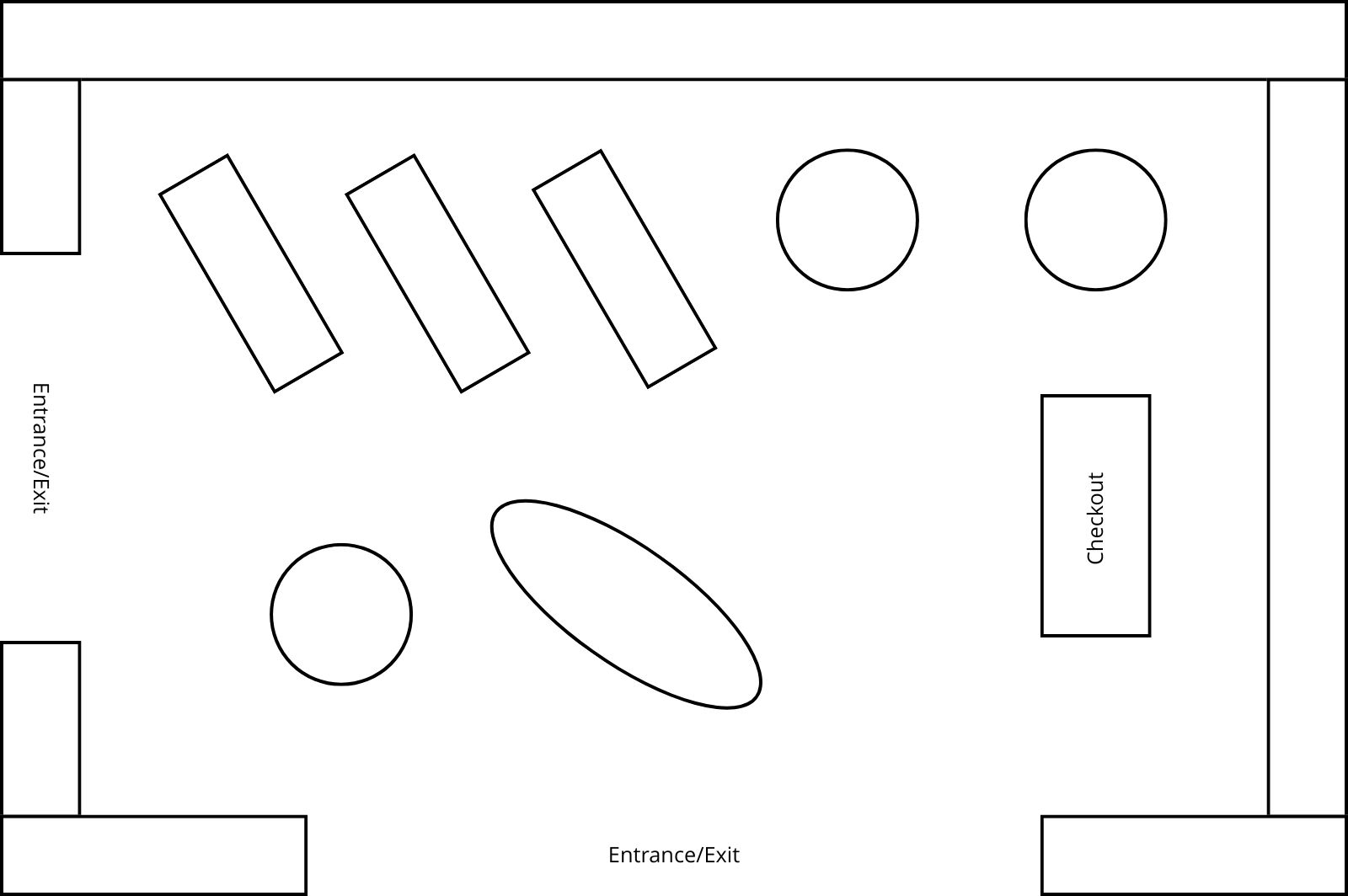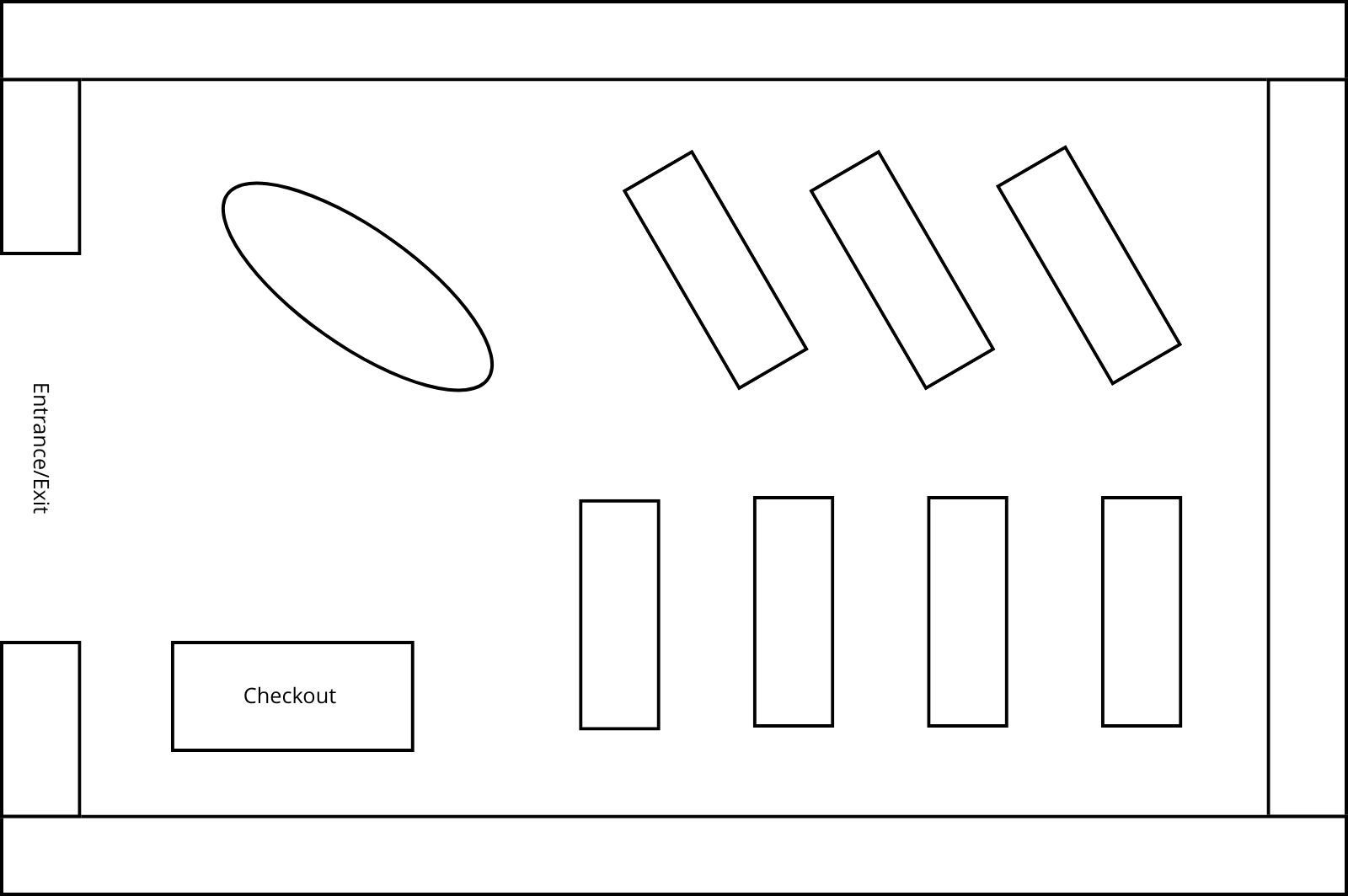
A Layout Designed to Lead Customers Through the Store
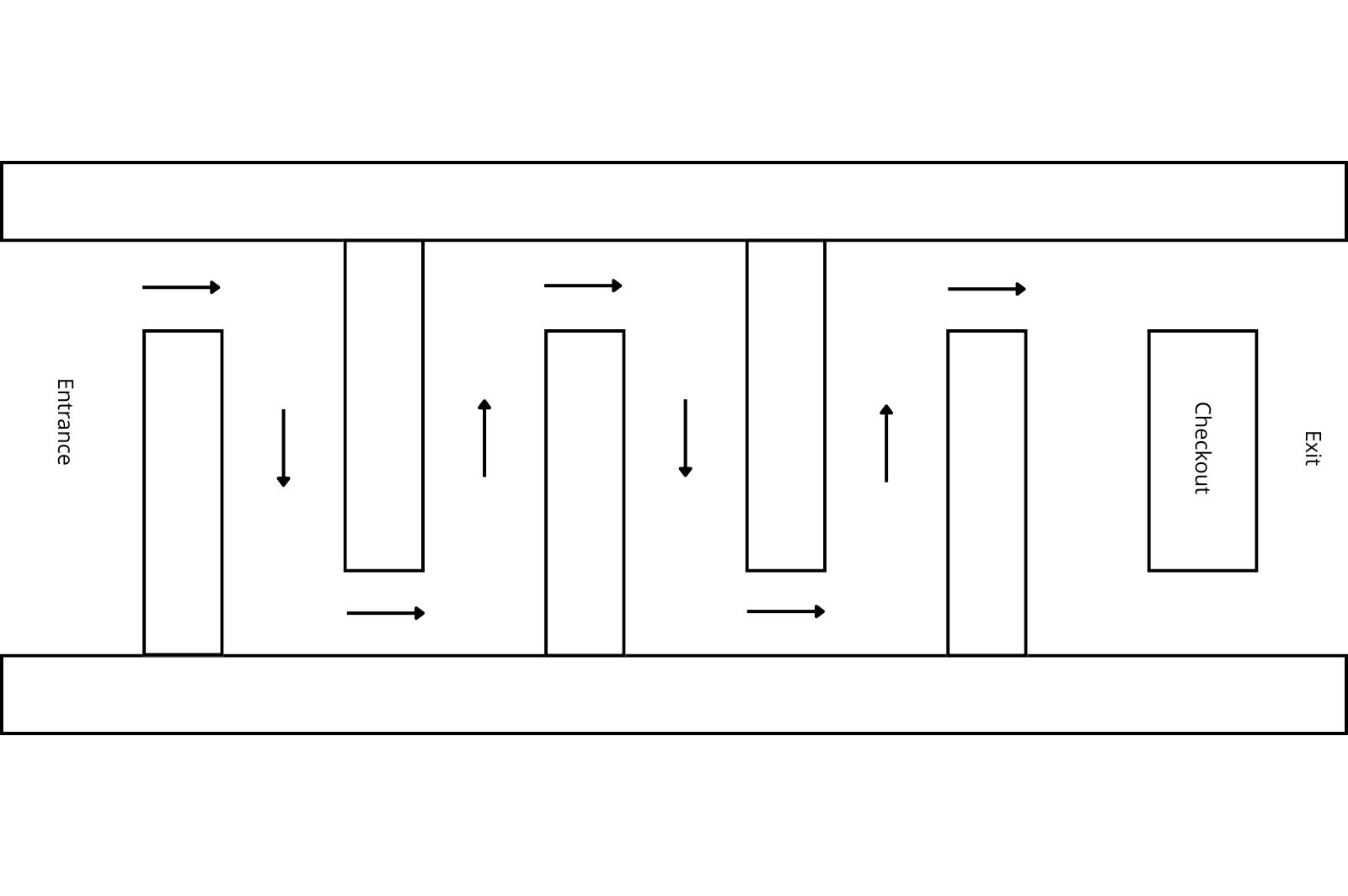
A forced path retail layout is designed to guide customers along a set route through the store. Rather than giving shoppers complete freedom to move however they like, this layout uses the path itself to shape the shopping journey. It is commonly used in stores that want customers to see as much of the range as possible before reaching the checkout, making it a strong option for retailers focused on product exposure and discovery.
How a Forced Path Layout Works
A forced path layout works by directing customers through a predetermined route using walls, fixtures, displays, and walkways. Instead of moving up and down open aisles or choosing their own way through the space, shoppers are led from one area to the next in a more controlled sequence. This gives retailers more influence over what customers see, when they see it, and how they move through the store.
Why Retailers Use Forced Path Layouts
The main reason retailers use a forced path layout is to increase exposure across the full store. If customers are guided past more categories, displays, and promotional areas, there is a greater chance they will notice products they were not originally planning to buy. It can also help create a more deliberate shopping journey, especially in stores where browsing is a key part of the experience rather than just quick convenience shopping. From a practical point of view, a forced path layout helps maximise exposure to a wider product range, encourages browsing, and can support more impulse purchases along the way. It also allows retailers to build a stronger sequence through the store, which can be useful for storytelling, launching featured products, or guiding shoppers through a particular brand experience. For the right type of store, it can turn the layout itself into part of the sales strategy.
The Limitations to Consider
Like any layout, a forced path design is not right for every retail environment. Some customers can find it frustrating if they are unable to take a shortcut to the product they want. It can feel restrictive for shoppers who prefer a quick in-and-out experience, and if it is not planned well, it may create congestion or make the store feel harder to navigate. The layout needs to feel intentional, not awkward, otherwise it can work against the customer experience.
What Types of Stores Suit a Forced Path Layout?
A forced path layout usually suits larger retail stores, furniture retailers, showrooms, and experience-led spaces where the goal is to encourage browsing and increase time spent in store. It can work well in businesses that want customers to move through a carefully planned journey rather than head straight to one item and leave. It is generally less suited to convenience-based retail, smaller stores, or businesses where customers value speed and direct access.
Making a Forced Path Layout Work Well
To get the most out of a forced path layout, the route through the store needs to feel smooth and logical. Customers should still feel comfortable moving through the space, even if the journey is more guided. Good sightlines, well-placed displays, clear zoning, and enough room to move all help make the layout feel deliberate rather than forced in a negative way. From a shopfitting point of view, it also needs to work with the way the business trades, how the products are displayed, and the kind of experience the brand wants to create.
Designed to Lead Customers
A forced path retail layout is designed to lead customers through a set journey so they are exposed to more of the store along the way. For the right type of business, it can be a very effective way to increase product visibility, support browsing, and create a more controlled shopping experience. At RJR Shopfitting, we help create retail spaces that are not only well presented, but practical, customer-friendly, and built to work in the real world.